Navigating Digital Rewards: How Mobile Incentives Shape Loyalty Structures in Online Gaming Environments
Leon Keller · Aug 20, 2026
Navigating Digital Rewards: How Mobile Incentives Shape Loyalty Structures in Online Gaming Environments
Mobile incentives have become central to how players interact with online games, and data from industry reports shows these systems directly influence retention rates across platforms, since developers integrate daily login bonuses, tiered rewards, and personalized offers that tie into broader loyalty frameworks. Research indicates that by August 2026 mobile gaming accounts for over 60 percent of total gaming revenue globally, with incentive structures evolving to match shifting user behaviors tracked through app analytics.
The Evolution of Reward Systems in Mobile Gaming
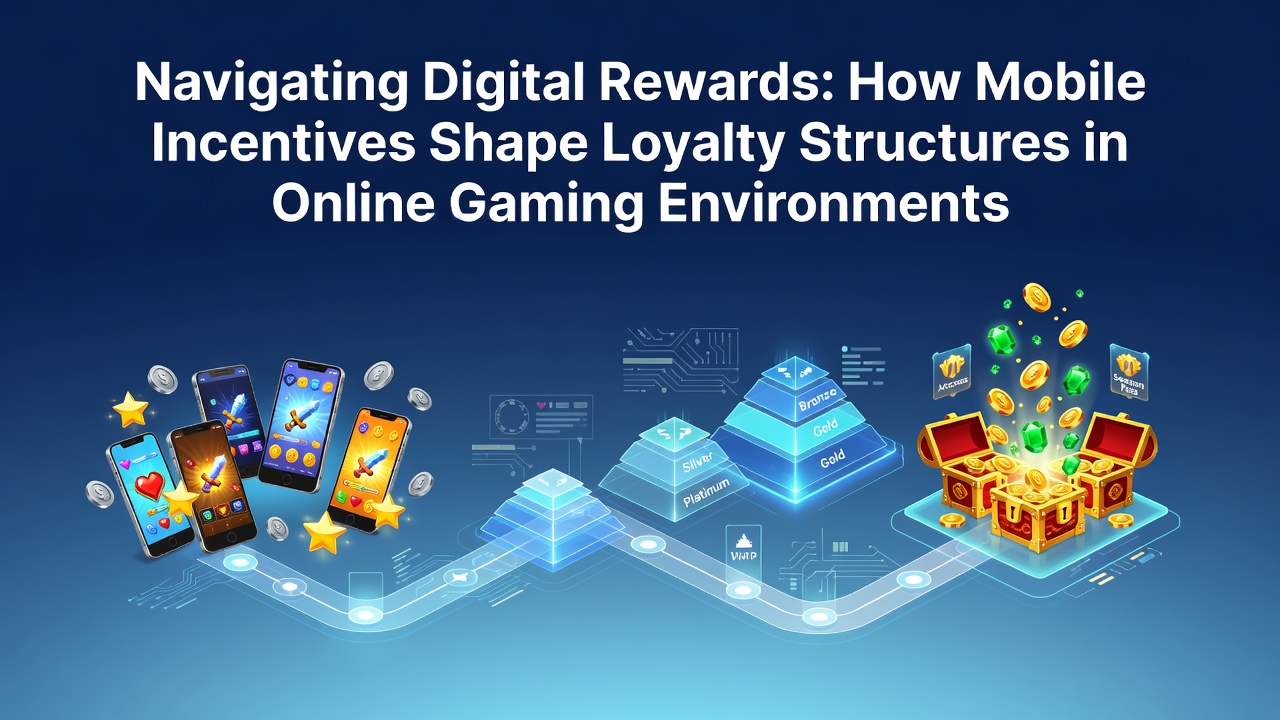
Early mobile games relied on simple point accumulation, yet developers soon expanded these into layered programs that combine free-to-play access with optional purchases, and this shift occurred because retention metrics improved when players received immediate feedback through push notifications and in-game currency grants. Observers note that games such as those published by major studios now feature streak-based rewards that reset on missed days, which encourages habitual logins while data from app stores reveals higher session lengths among users enrolled in such programs.
Industry organizations like the Entertainment Software Association have documented how these mechanics scale across genres, from battle royales to simulation titles, and figures reveal that loyalty tiers often unlock cosmetic items or exclusive events rather than direct competitive advantages. This approach maintains balance in multiplayer environments while still driving engagement through visible progress bars and achievement collections that sync across devices.
Technical Integration of Mobile Incentives
Backend systems handle reward distribution through cloud-based player profiles that update in real time, and this integration allows cross-platform continuity so that progress made on a phone carries over to tablets or consoles. Developers use algorithms to adjust offer frequency based on individual play patterns, which studies from academic institutions have linked to improved long-term retention when personalization stays within regulatory boundaries set by data protection laws in multiple regions.
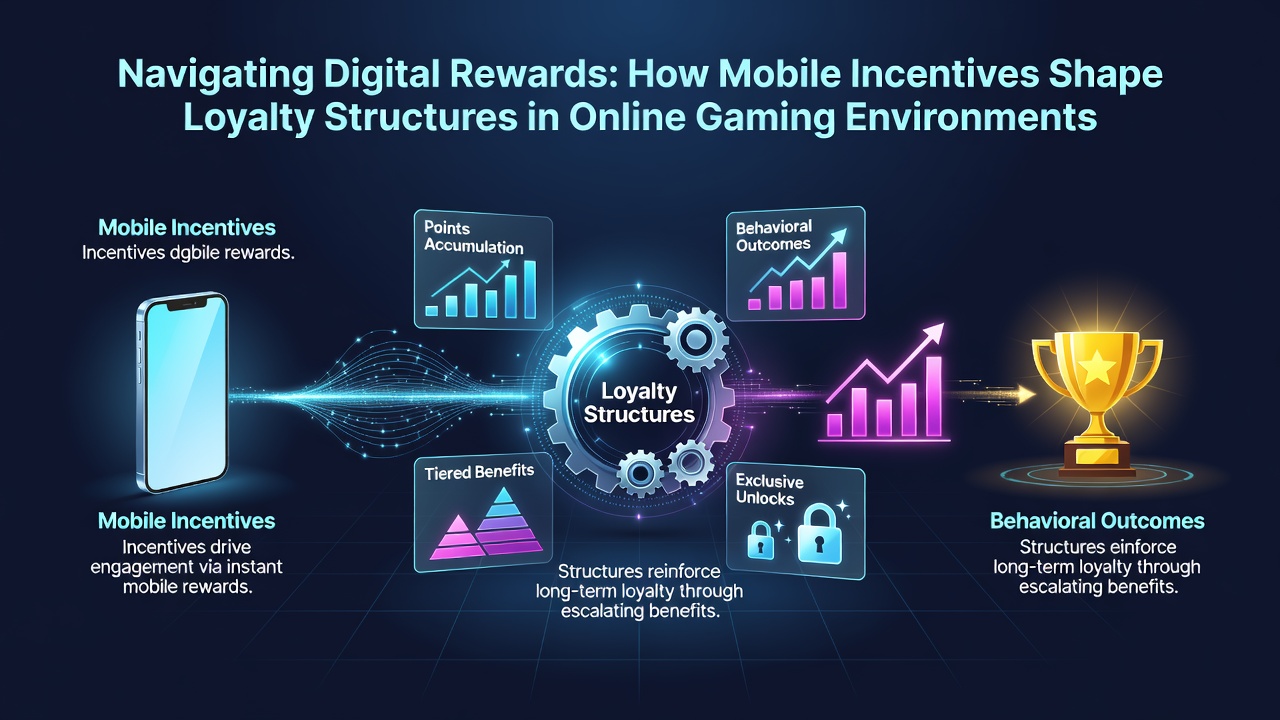
Push notification frameworks deliver time-sensitive alerts about limited-time events, and these messages integrate with loyalty points that convert into in-game items, whereas A/B testing conducted by studios demonstrates measurable lifts in daily active users when reward cadence aligns with peak usage hours. Government agencies in Australia and Canada have examined these practices for transparency, and reports highlight that clear disclosure of reward probabilities helps maintain trust in systems that rely on randomized elements.
Impact on Player Loyalty Structures
Loyalty structures in online gaming now extend beyond single titles through shared ecosystems, where points earned in one game apply toward benefits in affiliated releases, and this interconnected model emerged because publishers recognized the value of lifetime player value over isolated transactions. Research from university-led projects shows that players who accumulate visible status indicators such as badges or leaderboards tend to maintain accounts longer, even during periods of reduced play, since these markers create social proof within communities.
Case examples include seasonal battle passes that reset with new reward tracks, and these formats sustain engagement across months because they layer short-term goals onto longer progression arcs. Data indicates that mobile-specific incentives, including location-based bonuses or device-linked challenges, further differentiate loyalty programs by tying rewards to real-world behaviors while staying compliant with regional advertising standards.
Regulatory and Market Considerations
Regulatory bodies across the European Union and the United States monitor how incentives intersect with consumer protection rules, particularly around loot box mechanics and spending transparency, and this oversight has prompted studios to implement spending caps and clear value disclosures in reward interfaces. Industry trade groups report that markets with stricter guidelines still see robust growth in mobile loyalty adoption, because developers adapt by emphasizing skill-based or time-based rewards over pure chance elements.
Market analyses from 2026 indicate continued investment in AI-driven personalization engines that refine incentive delivery, and these tools process aggregated data without exposing individual identifiers, which aligns with evolving privacy frameworks in multiple jurisdictions. Players benefit from seamless redemption flows that reduce friction between earning and using rewards, and this efficiency contributes to higher satisfaction scores tracked in post-session surveys.
Conclusion
Mobile incentives continue to reshape loyalty structures by embedding measurable progression into daily play loops, and the combination of technical infrastructure, regulatory compliance, and player analytics supports sustained engagement across the online gaming sector. As platforms refine these systems through 2026 and beyond, the focus remains on delivering consistent value that aligns with user expectations while operating within established legal and ethical parameters.