The Interplay of Tiered Loyalty Frameworks and Portable Platform Incentives Across Northern European Gaming Markets
Jordan Schulz · Aug 22, 2026
The Interplay of Tiered Loyalty Frameworks and Portable Platform Incentives Across Northern European Gaming Markets
Northern European gaming markets have developed structured loyalty systems that layer benefits across multiple tiers while incorporating incentives designed to function across different platforms and devices. These frameworks operate under regulatory environments in Sweden, Denmark, Norway, and Finland, where operators must balance player retention mechanics with compliance requirements that shape how rewards accumulate and transfer.
Tiered Loyalty Structures in Regulated Markets
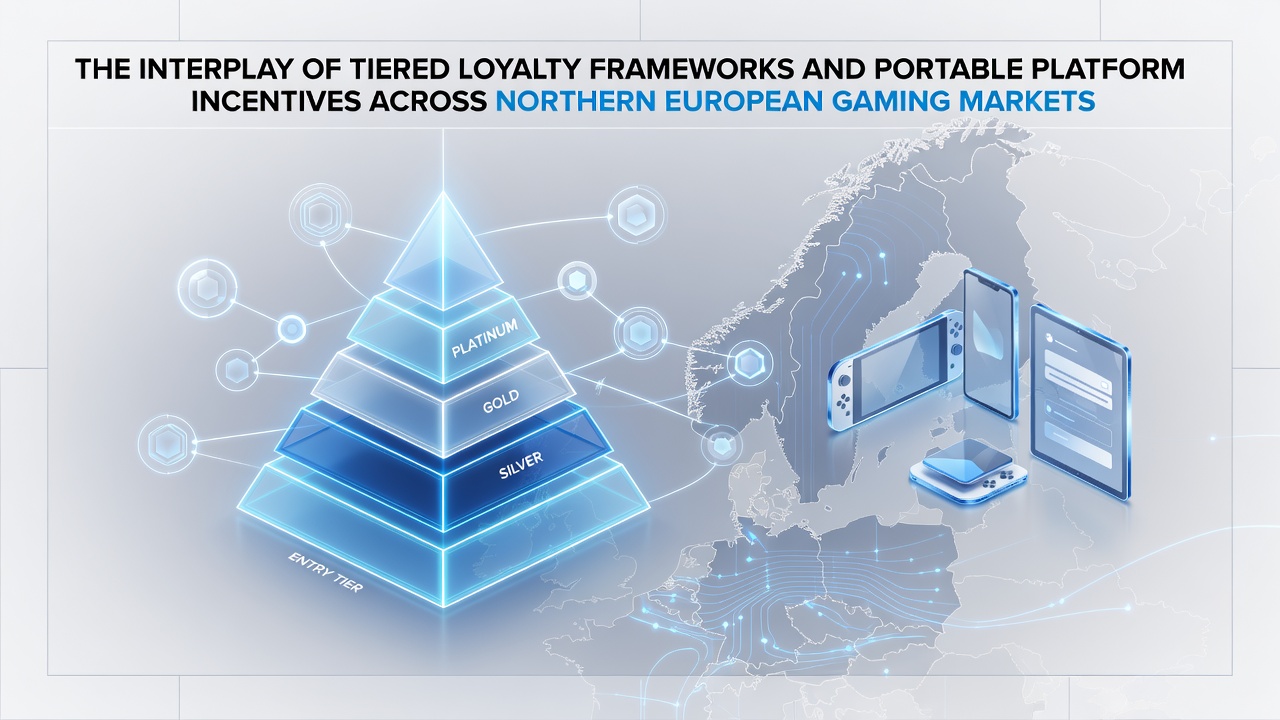
Operators in these regions commonly implement tiered systems that assign players to levels such as entry, intermediate, and premium based on activity metrics including deposit frequency, wager volume, and session duration. Data from the Danish Gambling Authority shows that higher tiers unlock accelerated point accrual rates, exclusive event access, and customized bonus structures that scale with continued engagement. Research indicates these progressions create retention loops where players advance through defined thresholds, yet the systems also integrate caps and reset periods to align with responsible gaming protocols enforced by national bodies.
Studies from the University of Helsinki highlight how tier placement often correlates with demographic patterns across Finland and Sweden, where mobile-first users reach intermediate levels faster due to higher session frequency on portable devices. The mechanics rely on centralized tracking that records activity regardless of access point, allowing seamless tier maintenance when players switch between desktop and mobile interfaces.
Portable Platform Incentives and Cross-Device Functionality
Portable incentives refer to reward elements such as loyalty points, bonus credits, and status multipliers that remain accessible and functional when players move between different gaming platforms or operating systems. In August 2026, market reports from the European Gaming and Betting Association documented increased adoption of these features in Northern Europe, driven by regulatory pushes for transparency in how accumulated benefits persist across sessions and devices. Operators achieve portability through unified player accounts that synchronize data in real time, ensuring that tier status and associated perks do not reset upon platform changes.
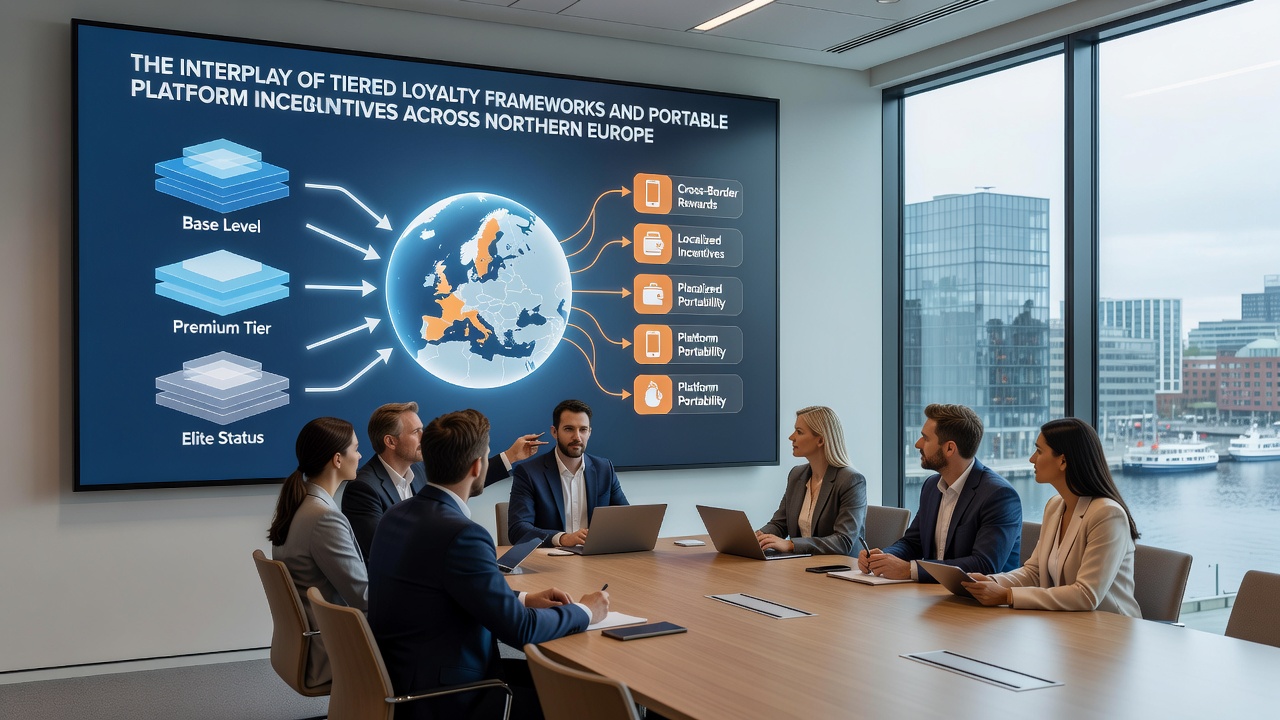
Norwegian regulatory filings reveal that such portability reduces friction for players who alternate between land-based terminals and online environments, particularly in markets where hybrid models exist under Norsk Tipping oversight. The design allows points earned on one platform to contribute directly to tier advancement on another, creating continuity that operators track through API integrations compliant with data protection standards.
Regional Variations Across Northern Europe
Sweden's Spelinspektionen framework emphasizes strict separation between bonus types and requires clear disclosure of how portable elements interact with tier progression, leading operators to develop segmented reward pools that distinguish between standard and transferable incentives. In contrast, Danish markets permit more flexible bundling, where tier benefits can include portable vouchers redeemable across partnered platforms, according to industry analyses from 2025. Finnish and Icelandic operators tend toward hybrid models that incorporate both national and cross-border portability features to accommodate seasonal tourism fluctuations affecting player bases.
Observers note that these variations stem from differing interpretations of EU-wide directives on consumer protection, which each country adapts through local licensing conditions. Data compiled by academic researchers at Aarhus University demonstrates that portability features correlate with higher cross-platform engagement rates in Denmark compared to more restrictive Swedish implementations, though overall retention metrics remain comparable across the region.
Interactions Between Tiers and Portability Mechanisms
The interplay emerges when tier advancement directly influences the scope and transferability of incentives, such as granting higher-tier players expanded options for redeeming points on external platforms or carrying forward unused benefits during account migrations. Regulatory updates effective in early 2026 prompted several major operators to recalibrate these linkages, ensuring that portable rewards do not inadvertently violate spending limits tied to tier status. Evidence from compliance audits indicates that successful integration requires real-time monitoring systems that flag potential mismatches between tier privileges and portability rules before rewards activate.
Case examples from Danish operators illustrate how premium tier members receive portable multipliers that apply across multiple game categories and device types, while entry-level players encounter restrictions that limit transfers to within the same platform family. This layered approach maintains incentive differentiation while satisfying oversight requirements that demand equitable access to core reward functions.
Conclusion
Northern European gaming markets continue to refine tiered loyalty frameworks alongside portable platform incentives through ongoing regulatory adjustments and technological standardization. As of August 2026, the documented patterns show sustained emphasis on synchronized tracking systems that support both progression mechanics and cross-device functionality under varying national rules. Operators and regulators alike rely on data-driven refinements to maintain these structures within established compliance boundaries.