Tracing Synergies Between Seasonal Promotions and Loyalty Tiers in Northern Mobile Gaming Ecosystems
Jordan Schulz · Aug 24, 2026
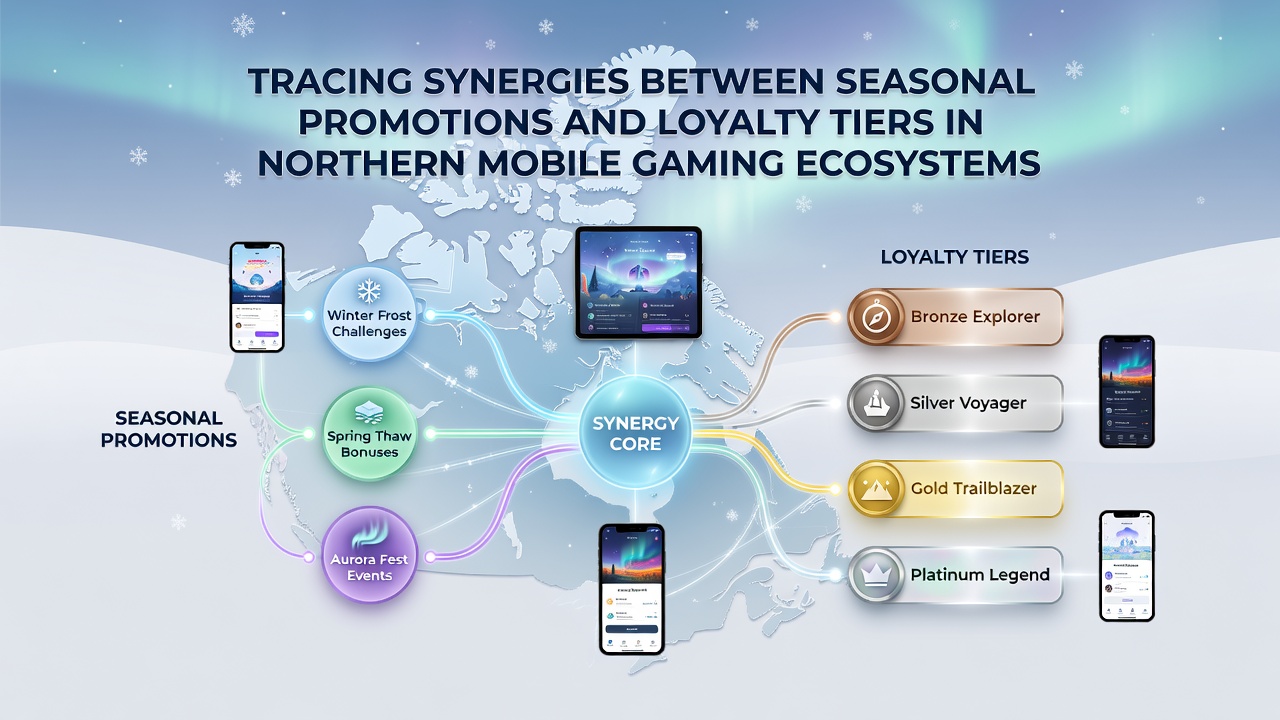
Tracing Synergies Between Seasonal Promotions and Loyalty Tiers in Northern Mobile Gaming Ecosystems
Northern mobile gaming markets across Scandinavia and the Nordic region integrate seasonal promotions with tiered loyalty systems in patterns that reflect both regulatory environments and player behavior data collected over multiple years. Mobile platforms in countries such as Sweden, Norway, Finland, and Denmark adjust reward structures around calendar events including midsummer celebrations, winter holidays, and back-to-school periods while maintaining consistent progression mechanics within loyalty frameworks. Data collected through 2025 and into 2026 shows these alignments produce measurable changes in session frequency and retention metrics according to reports from regional operators.
Market Context in Nordic Mobile Gaming
Mobile gaming accounts for the majority of player engagement in northern European digital entertainment sectors, with device usage statistics indicating that over 70 percent of sessions occur on smartphones rather than desktop interfaces. Operators track user activity through in-app telemetry that captures time spent, in-game purchases, and progression through loyalty levels during specific promotional windows. Researchers at institutions such as the University of Helsinki have documented how these metrics shift when seasonal campaigns overlap with existing tier benefits, creating compounded incentives that encourage continued participation across consecutive months.
Seasonal Promotion Mechanics
Seasonal promotions in northern markets typically launch in coordination with local cultural calendars, featuring limited-time multipliers on points accumulation, bonus spins tied to event themes, and exclusive in-game items available only during defined periods. For instance, summer campaigns often emphasize outdoor-themed content while winter events incorporate snow or festival motifs that align with regional traditions. These time-bound offers integrate directly with loyalty tier systems by accelerating point accrual rates for higher-tier players or unlocking tier-specific rewards that would otherwise require longer accumulation periods. Industry analyses indicate that such overlaps increase daily active users by measurable percentages during peak promotional weeks.
Loyalty Tier Frameworks and Progression
Loyalty tiers in northern mobile ecosystems generally follow a structured ladder where players advance through levels based on cumulative activity tracked over rolling periods. Lower tiers provide basic access to standard rewards, while mid and upper tiers unlock enhanced multipliers, priority support features, and early access to new game releases. These frameworks operate continuously yet receive temporary adjustments during seasonal events, such as reduced thresholds for tier advancement or temporary tier extensions that carry benefits into subsequent months. Observers note that operators maintain transparency in tier rules through in-app dashboards that display both permanent requirements and event-driven modifications.
Integration Patterns and Data Insights
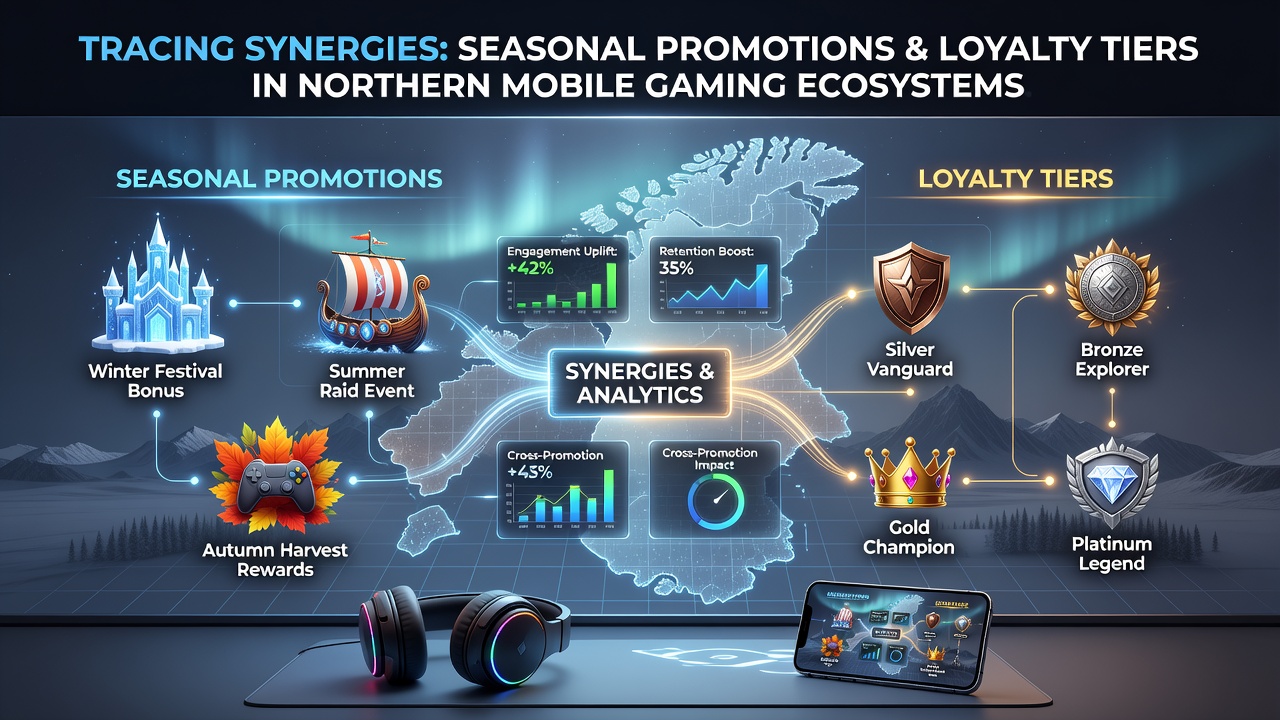
Operators achieve synergies by embedding seasonal promotion triggers within loyalty algorithms so that players receive personalized notifications based on their current tier status and historical engagement patterns. In August 2026, aggregated data from northern platforms revealed elevated activity levels when summer wrap-up promotions coincided with loyalty resets that preserved partial progress for mid-tier users. This approach allows systems to reward consistent behavior while introducing novelty through time-limited content, and studies from academic sources have tracked corresponding lifts in cross-promotion participation rates across different game titles on the same platform.
Examples from Finnish and Norwegian operators illustrate how tiered loyalty programs incorporate seasonal elements without disrupting core progression rules. One documented case involved a loyalty reset event that aligned with autumn harvest themes, granting tier carryover bonuses only to players who completed specific seasonal challenges. Such designs maintain fairness across the player base while capitalizing on heightened engagement periods that occur naturally around cultural events.
Regulatory Influences on Combined Systems
Regulatory frameworks in northern countries shape how operators combine seasonal promotions with loyalty tiers, requiring clear disclosure of terms and prohibiting practices that could encourage excessive play. Authorities such as those in Denmark and Finland review promotional mechanics to ensure they align with responsible gaming standards, which influences the design of tier benefits offered during limited-time events. Reports from the European Commission on digital single market activities highlight ongoing monitoring of these integrated systems, with data sharing requirements that enable cross-border comparisons of player protection measures.
Future Trajectories in Northern Ecosystems
Continued evolution of these synergies appears tied to advancements in personalization algorithms that predict optimal timing for seasonal offers based on individual tier trajectories. Mobile platforms continue to refine data collection methods that respect privacy regulations while providing operators with granular insights into how loyalty structures respond to calendar-based campaigns. External analyses from organizations including the European Gaming and Betting Association suggest that northern markets will maintain their focus on balanced integration as new game formats and device capabilities emerge.
Conclusion
Northern mobile gaming ecosystems demonstrate consistent patterns where seasonal promotions and loyalty tiers function as interconnected components rather than isolated features. Data from multiple years of operation shows that coordinated designs produce measurable engagement shifts, supported by regulatory oversight that emphasizes transparency and player protection. These systems continue to adapt through 2026 and beyond as operators refine mechanics to align with both cultural calendars and established progression frameworks.